
How Do You Curate a Timeless Accessory Collection?
Last Updated: November 19, 2026
Quick Summary
Curate a timeless accessory collection by auditing what you already own first, sorting every piece into keep, repair, and release piles and scoring each on frequency, fit, condition, and identity. Then organize the keep pile by category, note the gaps, and buy only pieces that fill a named gap and work with three outfits. Care and repair keep each timeless accessory in rotation for years.
- Set aside two hours and empty one drawer or shelf at a time during the audit.
- Score each piece one to five on frequency, fit and function, condition, and identity.
- Run a thirty-day wear log when you cannot remember the last time you wore something.
- Test each capsule piece against three existing outfits before it earns a place.
- If a repair costs less than a third of a replacement, repair it.
Table of Contents
- Start With an Audit of Your Existing Accessory Collection
- Building Capsule Wardrobe Accessories That Mix and Match
- How to Choose Quality Accessories: Materials and Craftsmanship
- Timeless Pieces Jewelry, Watches, and Statement Accessories
- A Buying Framework With Budget Tiers and Cost-Per-Wear
- Leather Bag Care and Maintenance for Long-Term Wear
- Choosing Your First Investment Piece From Taxidermy
- Frequently Asked Questions
Start With an Audit of Your Existing Accessory Collection
Learning how to curate a timeless accessory collection starts with what you already own, not with a shopping list, and every timeless accessory you keep should earn its place.
An audit fixes that. Set aside two hours, empty one drawer or shelf at a time, and handle every piece. Work in daylight, keep a notepad or phone handy, and photograph each pile before you put anything back.
The Three-Pile Declutter Method
Sort everything into three piles:
- Keep: worn in the last year, fits well, still in good condition
- Repair: quality pieces that need a strap fixed, a clasp tightened, or a polish
- Release: worn out, never worn, or no longer your style
Be honest with the release pile. A common mistake is keeping "someday" pieces that never leave the box.
Score Each Piece Before You Decide
The three piles are a starting point, not the decision. Before a piece earns a place in the keep pile, score it from one to five on four questions:
- Frequency: How many times did I wear or carry it in the last twelve months? Fewer than three is a warning sign.
- Fit and function: Does it work with my actual life, commute, work dress code, travel, weather? A clutch that only suits weddings is not an everyday piece.
- Condition: Is it structurally sound, or am I keeping it because the brand name feels expensive? A cracked strap is a repair; a peeling coating is a release.
- Identity: Does it still match how I dress now, not how I dressed five years ago?
A piece that scores low on frequency but high on condition and identity belongs in a "seasonal" box, not the trash. Rotate that box in twice a year and re-score it. If it stays unworn through two rotations, release it.
Track Wear for Thirty Days
If you genuinely cannot remember when you last wore something, run a thirty-day wear log before you release it. Turn every hanger backward, or keep a running note on your phone with the date and outfit each time you reach for a piece. At the end of the month, the log tells you the truth that memory cannot.
Organize What You Keep
An audit only holds if the keep pile has a home. Group by category, bags, belts, jewelry, scarves, shoes, then sub-sort by color within each category so you can see duplicates at a glance. Use drawer dividers for jewelry, hang belts on a dedicated rack, and store bags stuffed and upright so they keep their shape.
Spotting the Gaps Before You Buy
Once the keep pile is set, patterns appear. You may own six statement necklaces and no everyday belt. Or three bags in the same shape.
Write down the gaps. This list becomes your buying filter, and it stops impulse purchases cold. Keep the list on your phone and check it before any accessory purchase, if the item does not fill a named gap, it waits.
A Realistic Timeline
A full audit of a typical accessory collection takes two to three hours, split across two sessions if needed. Do bags and shoes first, since they take the most space and the most honest decisions. Jewelry and scarves go faster. Schedule the audit for a weekend morning, not late at night, and plan to drop repairs off within the same week, a repair pile that sits for months becomes another form of clutter.
Building Capsule Wardrobe Accessories That Mix and Match
Capsule wardrobe accessories are a small set of versatile pieces chosen to work with everything else you own. The goal is outfit combinations, not variety for its own sake.
A strong capsule rests on a few anchors:
- One structured handbag for work and events
- One crossbody bag for daily wear and travel
- A neutral belt and a statement belt
Test each piece against three existing outfits before it earns a place. If it only works with one look, it is not capsule material.
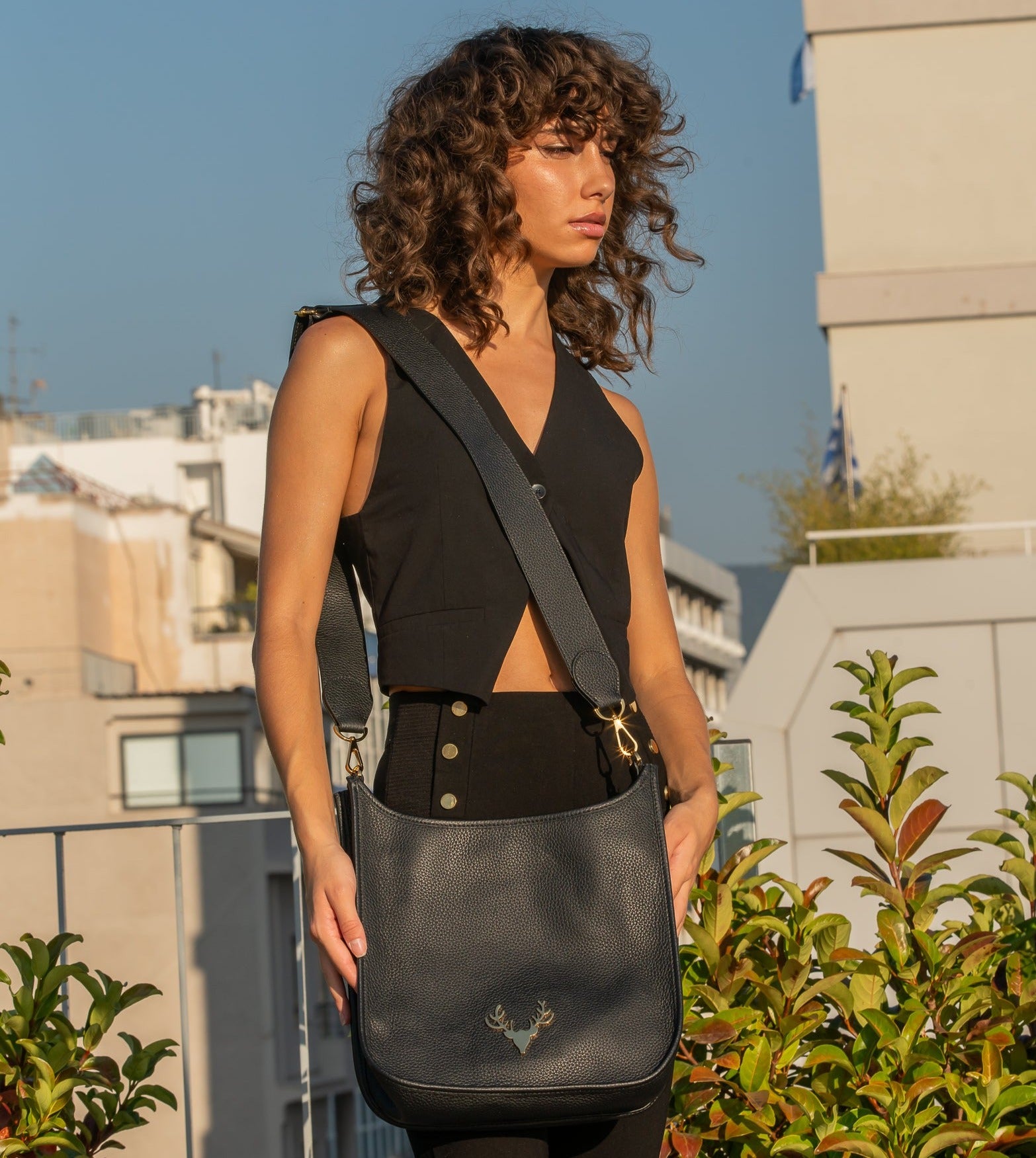
For a versatile everyday bag that slips into a capsule easily, the Leather Sayre Sling is a soft leather crossbody with an adjustable strap and a back pocket sized for a phone.
How to Choose Quality Accessories: Materials and Craftsmanship
Knowing how to choose quality accessories comes down to three checks: material, construction, and hardware.
Run these checks in the store or on arrival:
- Leather: look for even grain, a soft hand, and edges that are finished, not raw and glued
- Stitching: tight, straight lines with no loose threads or skipped stitches
- Hardware: solid metal that feels weighty; zippers should glide without catching
Handmade pieces can vary slightly from one to the next, which is part of their character as long as the construction itself is sound.
A quality belt shows these markers clearly. The Alligator Logo Belt is made in luxury American alligator with a hand-dyed leather backing and a light gold logo buckle.
Timeless vs. Trendy: A Quick Comparison
| Factor | Timeless Pieces | Trendy Pieces |
|---|---|---|
| Design | Clean lines, classic shapes | Bold seasonal details |
| Lifespan | Years of regular wear | One or two seasons |
| Styling | Works with most outfits | Needs specific looks |
| Cost per wear | Low over time | High |
| Resale appeal | Holds interest | Fades fast |
Trend pieces are fine in small doses. Just do not build your core around them.
Timeless Pieces Jewelry, Watches, and Statement Accessories
Timeless pieces jewelry buyers return to again and again share one trait: restraint in shape, confidence in scale.
Build in this order:
- Everyday basics: small earrings, a simple chain, a reliable watch
- One signature: a statement piece you wear weekly
- One wildcard: the bold item that makes an outfit yours
Statement accessories work best when everything else stays quiet. One strong piece per outfit is the rule.
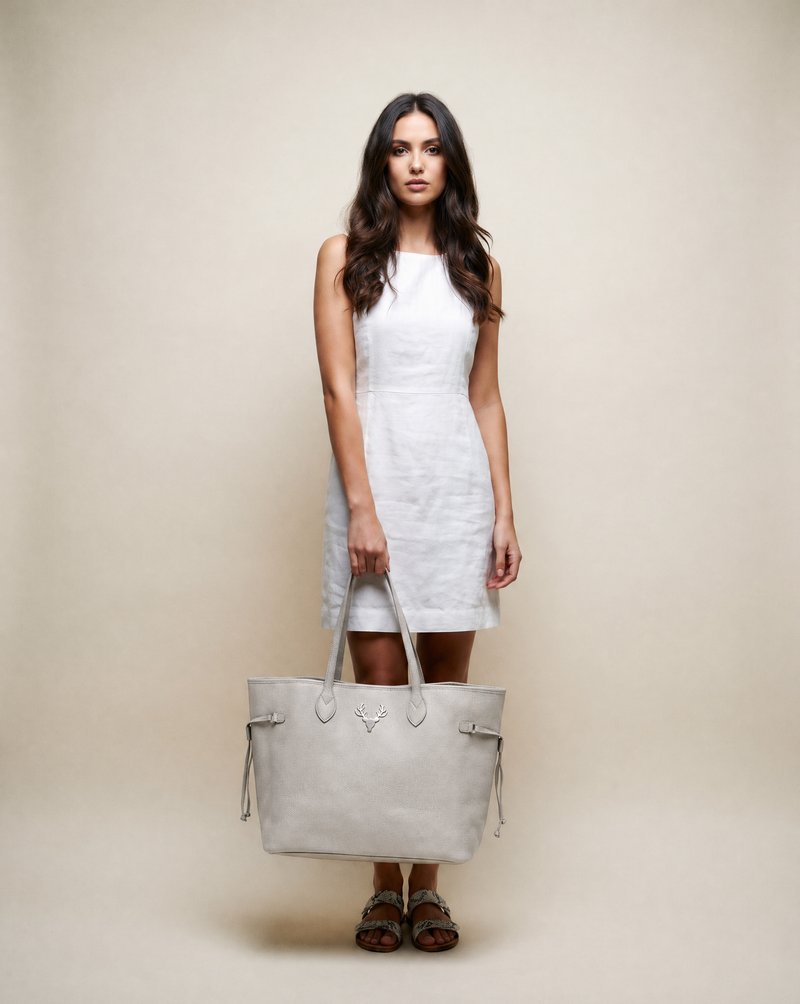
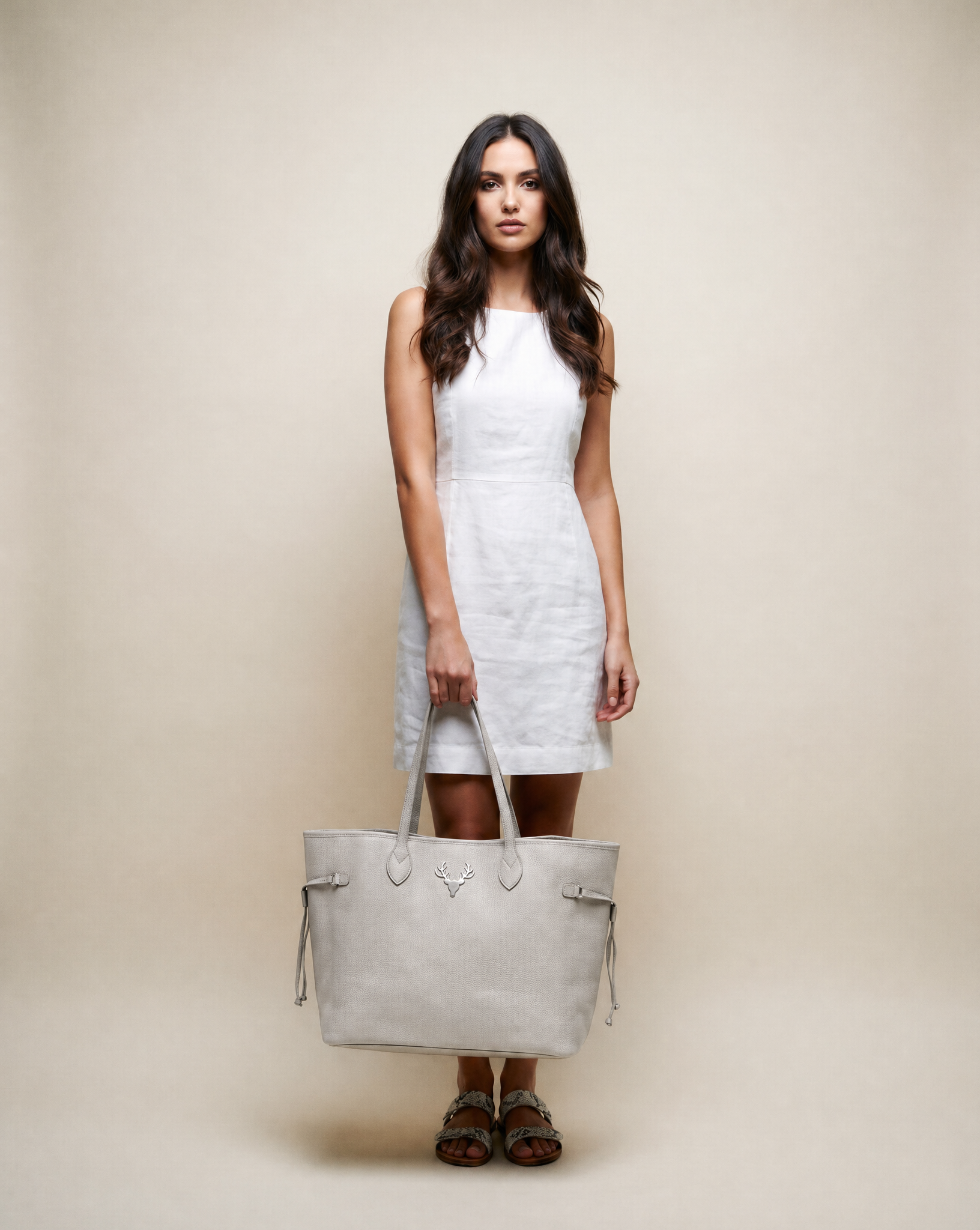
For a classic tote that carries a statement look without competing with it, the Leather Liz Tote is pebbled leather with a suede lining and adjustable sides.
A Buying Framework With Budget Tiers and Cost-Per-Wear
A step-by-step buying framework keeps emotion out of the decision. Use cost-per-wear to judge value:
Cost per wear = price ÷ number of times you will realistically wear it.
A $450 bag worn three times a week for two years costs under $1.50 per wear. A $60 trend bag worn twice costs $30 per wear. The math rarely favors cheap.
Budget tiers to plan around:
- Under $200: scarves, everyday jewelry, sunglasses
- $200-$600: belts, crossbody bags, watches
- $600+: investment bags and exotic leather pieces
Before buying, answer three questions: Does it fill a gap on my list? Does it work with three outfits? Will I still want it in five years? Two yeses minimum.
Leather Bag Care and Maintenance for Long-Term Wear
Care is what separates a timeless collection from an expensive one. A well-made bag, belt, or pair of shoes will outlast a cheap version only if you maintain it, and the routine differs by material. Treat this section as a maintenance manual for the whole collection, not just leather bags.
Leather Bags and Belts
Store bags away from direct sun. Follow this routine:
- Weekly: wipe the surface with a soft dry cloth
- Monthly: condition smooth leather with a small amount of leather cream
- Seasonally: check straps, feet, and zippers for wear
Watch out: storing bags in plastic traps moisture and invites cracking. Use breathable dust bags instead.
Exotic leathers need gentler handling and should be kept away from prolonged humidity. For belts, wipe the back of the strap where it meets the buckle, since that is where sweat and dye transfer build up first. Store belts rolled, not hung by the buckle, so the leather does not stretch.
Metals: Jewelry, Hardware, and Watches
Store pieces separately in a lined jewelry box or individual pouches so they do not scratch each other.
Textiles: Scarves, Hats, and Fabric Accessories
Wool hats and scarves should be brushed after wear, aired out before storage, and stored folded with cedar to deter moths. Cotton canvas bags can be spot-cleaned with mild soap and a soft brush, then air-dried fully before storage so mildew does not set in.
Footwear
Shoes need the most frequent attention. Brush off dirt after each wear, use shoe trees to hold shape and absorb moisture, and rotate pairs so each has a day to dry out. Condition leather shoes every few weeks, and have heels and soles repaired before they wear through, a resole is far cheaper than a replacement.
Storage Systems That Prevent Damage
The right storage is half the battle. Keep bags and jewelry in protective storage and use cedar blocks in drawers and closets. Keep everything out of direct sunlight and away from radiators and humid bathrooms. Once a season, pull each piece out, inspect it, and note any repairs needed. A ten-minute seasonal check catches loose clasps and worn straps before they become bigger problems.
Repair Before You Replace
Most accessories fail at the hardware, the strap, or the sole, all repairable. The rule of thumb: if the repair costs less than a third of a replacement, repair it. That habit is what keeps a collection timeless rather than disposable.
Choosing Your First Investment Piece From Taxidermy
Choosing your first investment piece should feel deliberate, not risky.
Start with a structured, classic shape in a color that matches your wardrobe.
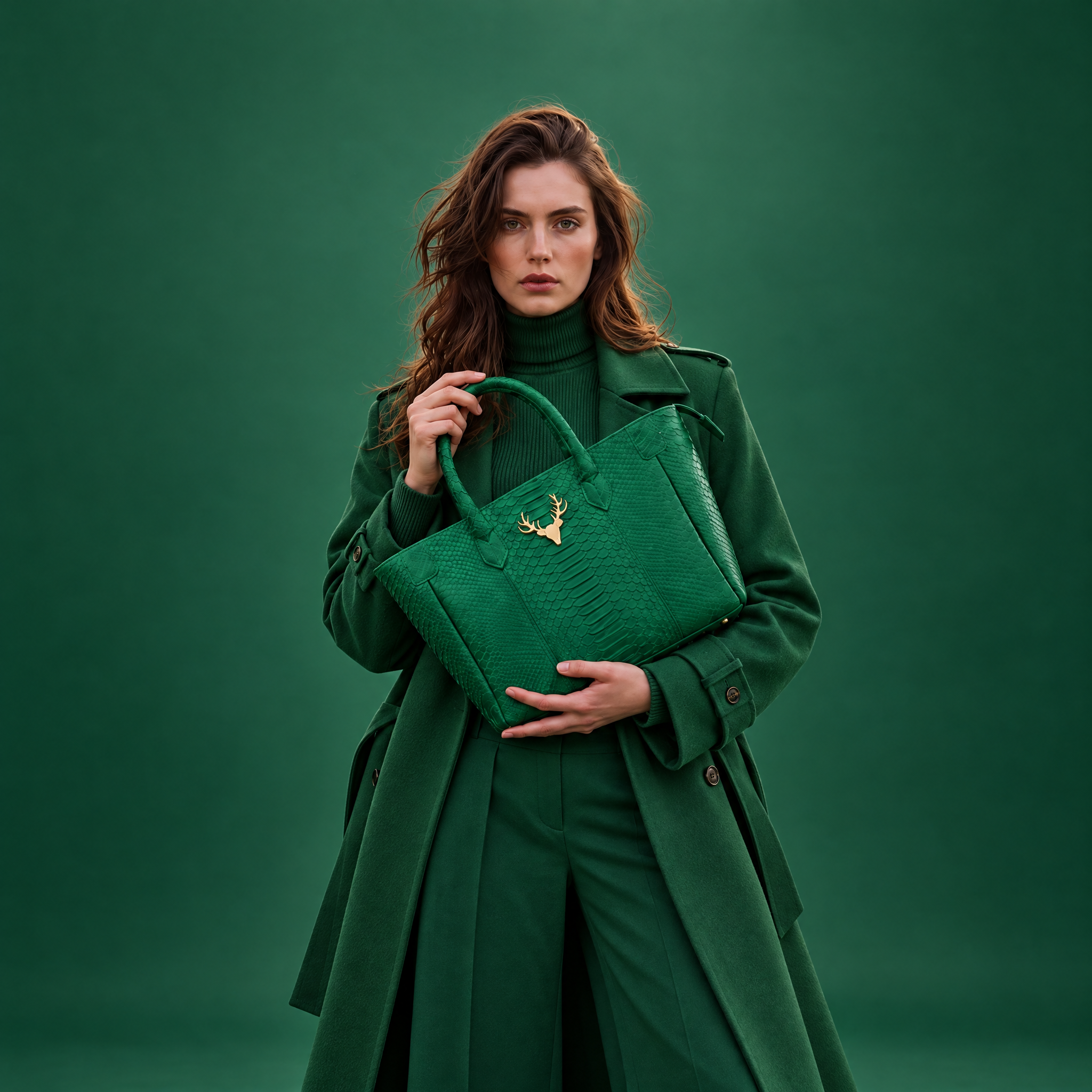
The Python Midi Mackie is a good first step: a structured python tote with rolled handles, a detachable crossbody strap, suede lining, and room for a laptop up to 11 inches.
Our pieces are handmade by skilled Indonesian artisans under designer Amy Driggers, and the brand has been seen on Beyoncé, Kylie Jenner, Kourtney Kardashian, and Snoop Dogg.
Curating a timeless collection takes discipline, but the payoff is a wardrobe that works every morning without a second thought.
Frequently Asked Questions
What accessories are considered timeless?
Timeless accessories share three traits: a classic shape, durable materials, and colors that work across seasons. That usually means a structured leather tote, a crossbody bag, a quality belt, a simple watch, gold or silver jewelry you can layer, and a pair of neutral shoes. A piece like the Python Midi Mackie tote at $1,595 fits the definition because its structured shape and python finish work with both everyday outfits and evening looks. Avoid anything tied to a single season's trend cycle.
How many accessories should a capsule wardrobe include?
Most capsule wardrobe accessories plans work with five to seven core pieces: one everyday bag, one evening or statement bag, a belt, a scarf, a watch, and two jewelry staples you rotate. The number matters less than the ratio of wear. If a piece gets worn weekly, it earns its place. If it sits unworn for a season, it is a candidate for resale or donation. Build the capsule around neutral colors first, then add one accent color that ties your outfits together.
How can you tell if an accessory is well made?
Check four things: stitching, hardware, lining, and edges. Even, tight stitching with no loose threads signals care. Solid metal hardware that feels weighty in the hand outlasts plated zinc. A suede or leather lining, like the suede interior on the Python Midi Mackie, protects contents and resists tearing. Finished edges, not raw cut leather, show the maker sealed the piece properly. Ask how to choose quality accessories by handling the item or reading the material listing before you buy online.
How do you care for leather accessories so they last?
Store leather bags away from direct sunlight, and rotate them so one bag is not carrying every day. Wipe spills immediately with a dry cloth, condition smooth leather two to three times a year, and keep exotic leather away from water and heat. Belts should hang rather than coil, which cracks the finish. Leather bag care and maintenance is mostly about moisture control and storage, not frequent cleaning. A $450 Leather Sayre Sling treated this way will hold its shape for years.
